Exploring Batam’s History Through Cultural and Religious Tourism
Batam is not only known for its modern skyline and industrial progress but also for its rich cultural and historical heritage. The island has evolved from a quiet fishing community into a thriving city that blends tradition and modernity. Exploring Batam’s historical roots allows travelers to understand the island’s unique identity, shaped by diverse influences from Malay, Chinese, and other Indonesian cultures. Visiting cultural and religious sites offers a deeper connection to Batam’s past and its people’s enduring traditions.
Experience the Beauty of Religious Harmony
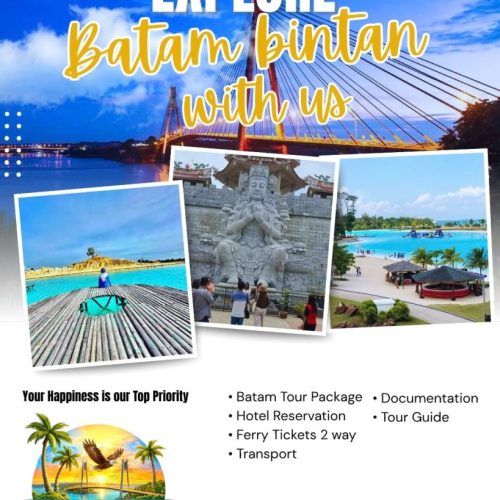
One of Batam’s most remarkable aspects is its harmonious coexistence of various religions. The island is home to beautiful mosques, temples, and churches that stand as symbols of peace and respect. The Masjid Raya Batam is a must-visit landmark with its stunning modern architecture and tranquil atmosphere. Meanwhile, Maha Vihara Duta Maitreya Temple, one of the largest Buddhist temples in Southeast Asia, welcomes visitors with an aura of serenity and compassion. Churches such as Stella Maris Catholic Church also reflect Batam’s religious diversity and sense of unity among its people.
Visit Historical and Cultural Landmarks
Cultural exploration in Batam goes beyond religious sites. Travelers can visit Taman Mini Indonesia Batam, which showcases traditional houses and cultural symbols from various Indonesian provinces. This attraction provides insight into the country’s diverse heritage while being fun and educational for families. Historical sites like Vietnam Village, also known as Camp Vietnam, offer a glimpse into the island’s role as a refugee settlement during the 1970s. Walking through this preserved site helps visitors understand a significant chapter of Batam’s and Southeast Asia’s shared history.
Explore Local Traditions and Art
Batam’s cultural experience is best felt through its people and traditions. Local art performances, such as Malay dances and music, are often showcased during festivals or cultural events. Tourists can also visit local art centers or small galleries to see handcrafted works that represent Batam’s creativity. Exploring traditional markets offers a more authentic look at daily life, where local food, crafts, and hospitality reflect the warm spirit of Batam’s community. Every corner of the island tells a story — from its traditional fabrics to its vibrant street culture.
Taste the Heritage Through Culinary Journeys
Cultural exploration is incomplete without savoring local food. Batam’s cuisine reflects its cultural diversity, influenced by Malay, Chinese, and Javanese traditions. Dishes like nasi lemak, mie tarempa, and otak-otak carry both flavor and history. Enjoying these dishes in local food stalls or seaside restaurants gives travelers a delicious way to experience Batam’s culture. Each bite connects you to the island’s story — one that’s filled with migration, trade, and shared traditions that have evolved over generations.
Preserve and Appreciate Batam’s Heritage
Every visit to a cultural or religious site in Batam contributes to preserving its heritage. Tourists are encouraged to respect local customs and dress modestly when entering places of worship. Supporting local artisans, attending cultural events, and learning about historical landmarks help ensure that Batam’s traditions continue to thrive. By exploring its cultural and religious sites with appreciation and respect, travelers can experience Batam not just as a destination but as a living story of faith, harmony, and history.